How do you take a Deep Breathe?

I get this question a lot from westerners and young generation. There are three types of breathing patterns. Most people only breathe in shallow pattern where their breath does not go all the way down their lungs.

To take a deep breath, put your hand on your stomach. When you inhale, notice your stomach expanding. Try to take a deep breath where your stomach is noticeable expanded. When you exhale, you will see your stomach contracting. Try to touch your stomach to your spinal cords (practically this is not feasible but it says that contract as much as possible).

Practice taking 5 deep breaths every few hours. Eventually, deep breath will become your natural pattern.

Breathing Meditation

Below is a description of breathing meditation gracefully provided by Tashi Nyima of the Great Middle Way.

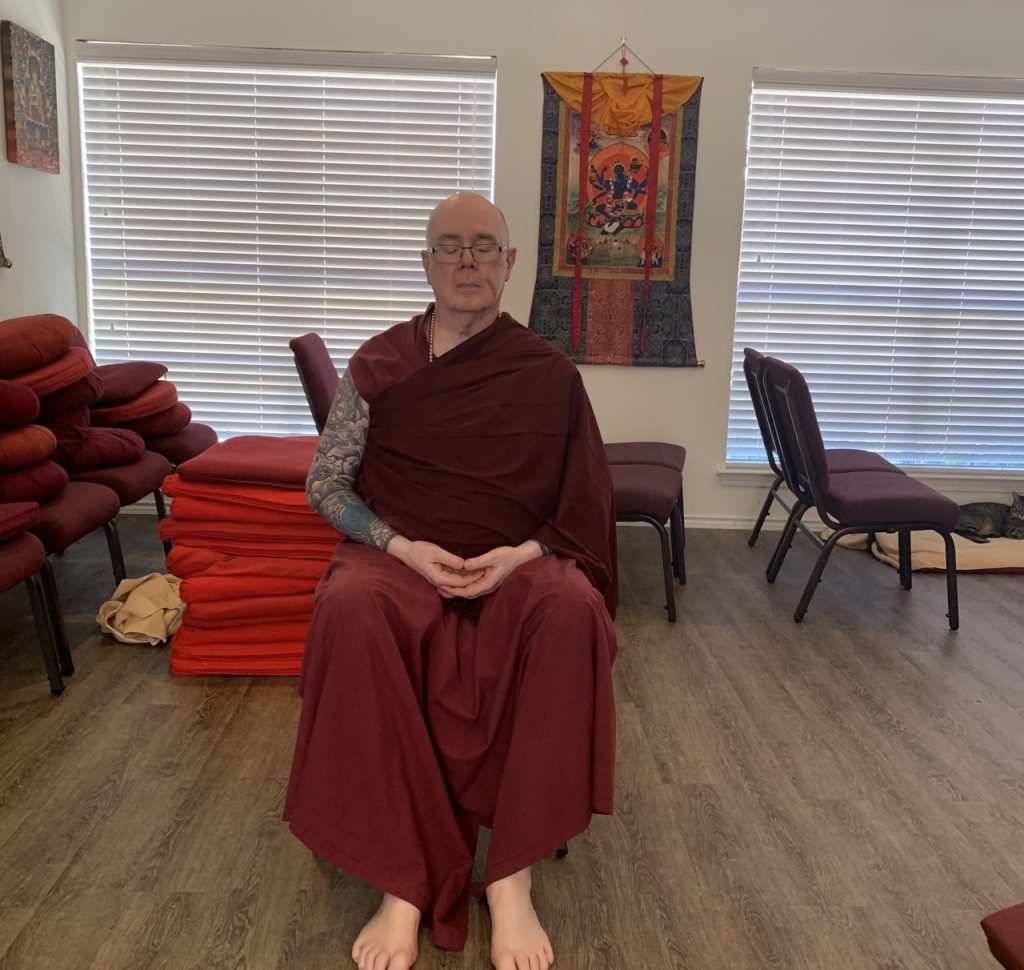
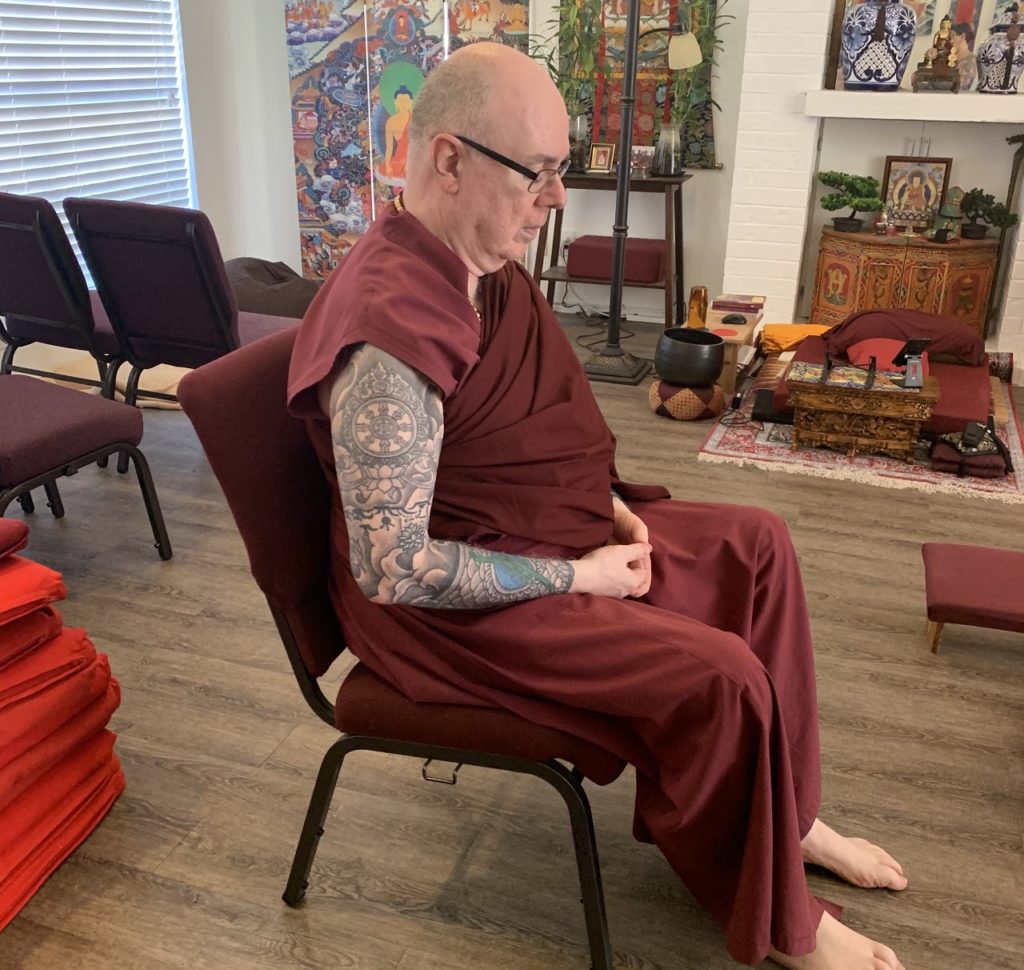
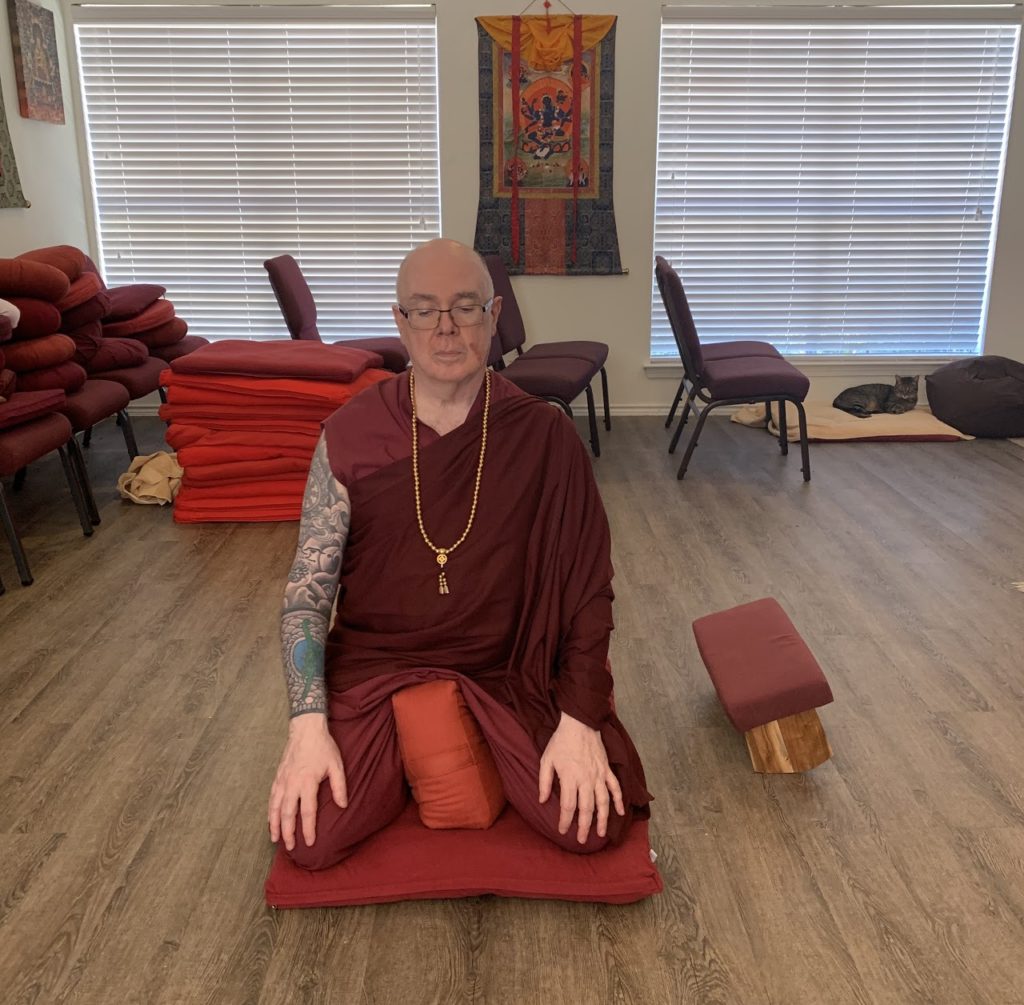
Choose a conducive environment. Find a nice, quiet place where you won’t be disturbed for fifteen minutes or longer. Sit down, relax, and rest your hands on your lap. You can sit on the floor cross-legged with the support of a meditation cushion, or on any chair with your feet resting on the ground. It is not necessary to force yourself into a lotus position if you are not used to it.

Regardless of how you sit, it is important to maintain the natural curve of your back. That means no slouching. People with chronic back problems who cannot sit for a prolonged period of time can explore other meditation positions.

Breathe slowly and deeply. Close your eyes softly. Direct your soft, unfocused gaze downwards. Begin by taking a few slow and deep breaths — inhaling with your nose and exhaling from your mouth. Don’t force your breathing; let it come naturally. The first few intakes of air are likely to be shallow, but as you allow more air to fill your lungs each time, your breaths will gradually become deeper and fuller. Take as long as you need to breathe slowly and deeply.

Be aware. When you are breathing deeply, you will begin to feel calmer and more relaxed. That is a good sign. Now, focus your attention on your breathing. Be aware of each breath that you take in through your nose. Be mindful of each breath that you exhale with your mouth. Continue focusing on your breaths for as long as you like.

If you find your attention straying away from your breaths, just gently bring it back. It may happen many times. Don’t be disheartened. What’s important is to realize that you have wandered and bring your attention back to where it should be. As you develop greater focus power, you will find it easier to concentrate. Ending the session. When you are ready to end the session, open your eyes, and stand up slowly.

Loving Kindness Meditation

Below is a description of loving-kindness meditation gracefully provided by Tashi Nyima of the Great Middle Way.

Bring your attention to yourself, and recite:

May I be happy and peaceful. May I be healthy and strong.

May I feel safe and protected. May I live with ease and joy.

Bring your attention to one or more friends or relatives (human or non-human), and recite:

May you be happy and peaceful. May you be healthy and strong.

May you feel safe and protected. May you live with ease and joy.

Bring your attention to distant or inimical sentient beings, and recite:

May they be happy and peaceful. May they be healthy and strong.

May they feel safe and protected. May they live with ease and joy.

Bring your attention to all sentient beings, and recite:

May we be happy and peaceful. May we be healthy and strong.

May we feel safe and protected. May we live with ease and joy.

Meditation Posture

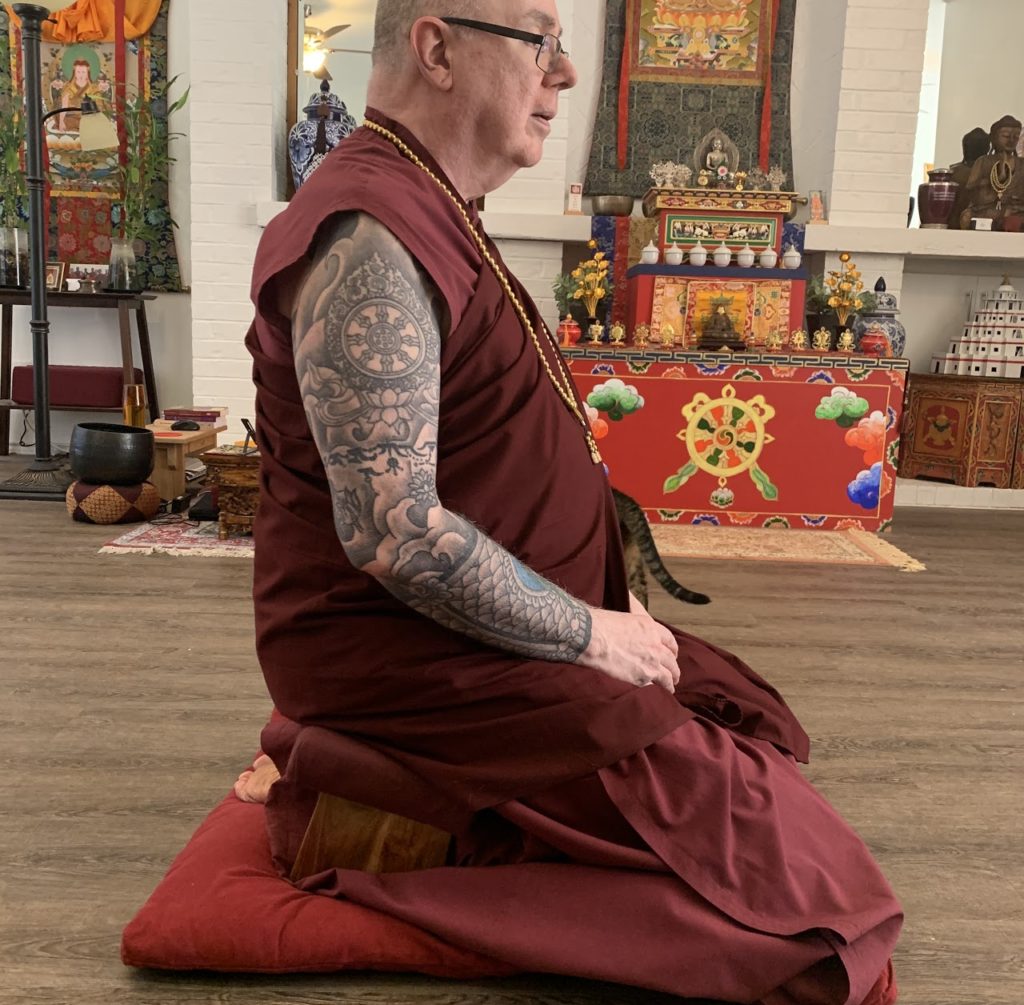
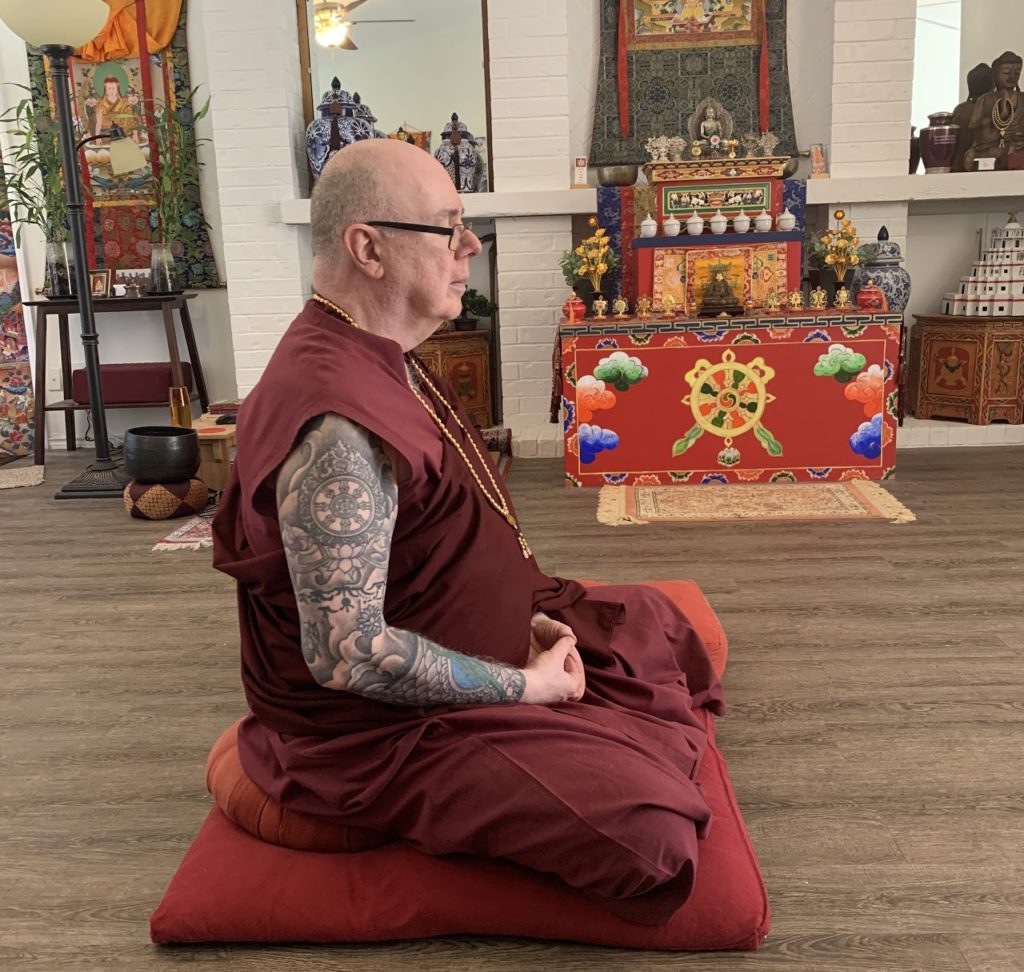
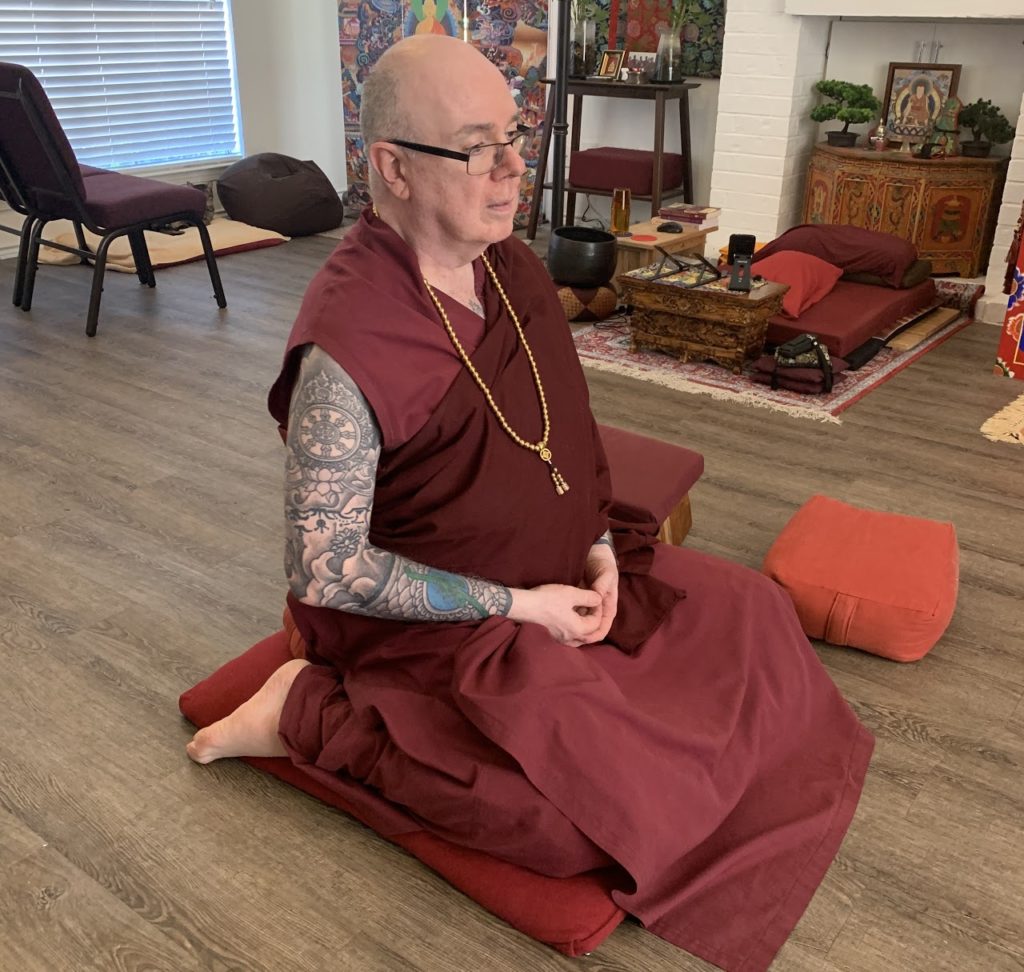
The most important thing about meditation posture is to sit straight with your spine upright. Why is this important? The short answer is that an upright spine will prevent you from dozing off. A more detailed explanation is that if your spine is not upright it will hinder the energy flow within the body. Below are some of the meditation postures gracefully provided by Tashi Nyima of the Great Middle Way

In addition, there is an excellent resource on meditation postures: https://mindfulminutes.com/how-to-sit-for-meditation/

#meditationposture; #tashinyima; #greatmiddleway

Why Meditate?

Simply put, meditation increases your self-awareness. There are added benefits such as reduced stress; reduced anxiety; increased focus; increased compassion; and others.

Meditation and Science – Straight from the National Institute for Health (NIH)

Many studies have investigated meditation for different conditions, and there’s evidence that it may reduce blood pressure as well as symptoms of irritable bowel syndrome and flare-ups in people who have had ulcerative colitis. It may ease symptoms of anxiety and depression and may help people with insomnia.

Meditation and the Brain

Some research suggests that meditation may physically change the brain and body and could potentially help to improve many health problems and promote healthy behaviors. #NIH; #science; #meditation; #anxiety; #stress; #compassion; #focus; #bloodpressure